
What Is Skin Pigmentation? and How to Get Your Glow Back
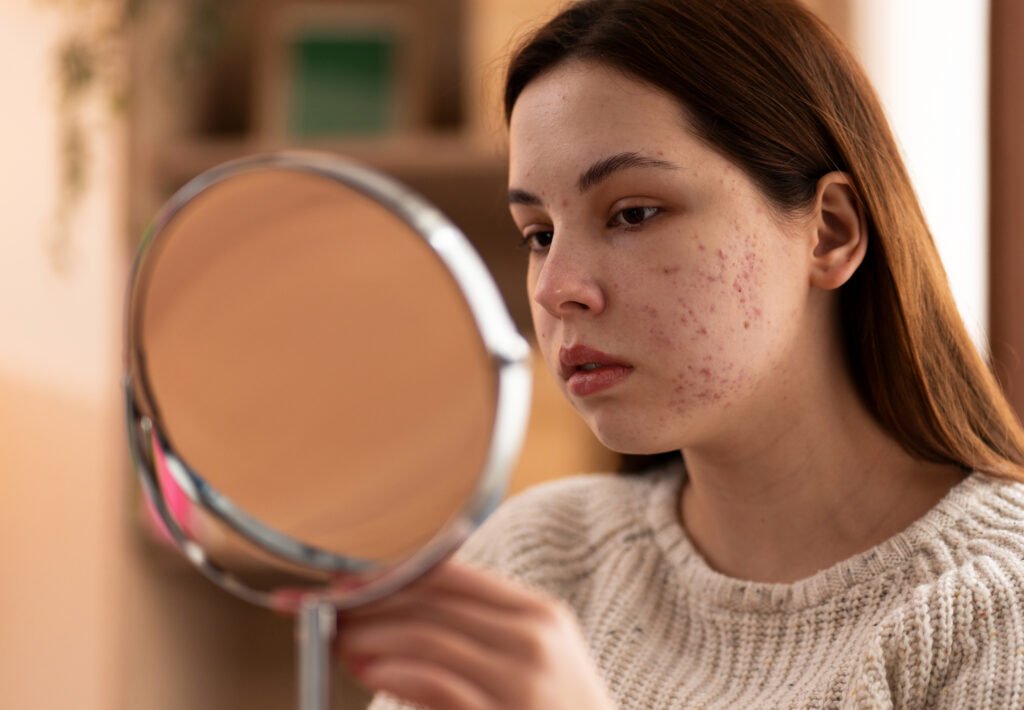
Skin pigmentation sounds like one of those fancy skincare terms people throw around, right? But once you really get it, things start to click. You begin to understand your skin in a whole new way. And honestly, it’s kind of empowering.
So what is skin pigmentation, really? At its core, it’s all about color. The natural color of your skin. That glow you were born with. That tone that makes you, you.
But here’s the twist. Sometimes your skin doesn’t stay even. You notice dark patches, uneven spots, maybe lighter areas. It can feel frustrating. Confusing. Like your skin is doing its own thing without asking you first.
This section is where we slow things down and really unpack what is skin pigmentation. Not in a complicated textbook way, but in a real, human way. We’ll talk about what it means, why it happens, and whether it’s something you should worry about or just understand better.
Understanding What Is Skin Pigmentation
What Does Skin Pigmentation Really Mean
Let’s keep it simple. Skin pigmentation is the color of your skin. That’s it. But behind that simple idea is a whole system working quietly every day.
Your skin produces a pigment called melanin. Think of melanin like paint. The more you have, the deeper your skin tone. Less of it, lighter tone. Easy.
Now here’s where things get interesting. Your skin doesn’t always distribute this pigment evenly. Sometimes it clusters in certain areas. That’s when you start seeing patches or spots.
Maybe you’ve noticed a dark spot after a pimple healed. Or uneven tone after spending too much time in the sun. That’s pigmentation at play.
It’s not your skin “failing.” It’s actually your skin reacting. Protecting. Adapting. But yeah, it can look annoying.
And once you understand what is skin pigmentation, you stop blaming your skin. You start working with it instead.
How Melanin Shapes Your Skin Color
Melanin is the real star of the show here. Without it, skin wouldn’t have color at all.
Your body produces melanin through special cells called melanocytes. Sounds technical, but just think of them as tiny factories inside your skin.
These factories get triggered by different things. Sunlight is a big one. When UV rays hit your skin, your body says, “Hey, we need protection,” and pumps out more melanin.
That’s why you tan. It’s your skin defending itself.
But sometimes, those melanocytes go into overdrive. They produce too much melanin in certain spots. That’s when dark patches show up.
Other times, they slow down or stop working in areas. That’s when lighter patches appear.
So when people ask what is skin pigmentation, the real answer lies here. It’s all about how melanin behaves. Too much, too little, or uneven distribution.
Why Skin Pigmentation Happens in the First Place
Here’s the thing. Your skin isn’t random. There’s always a reason behind what it does.
Skin pigmentation happens because your body is reacting to something. It could be external, like sunlight or pollution. Or internal, like hormones or stress.
Imagine your skin as a guard. When it senses danger, it responds. Sometimes that response shows up as pigmentation.
Let’s say you spend hours in the sun without protection. Your skin ramps up melanin production. Boom, dark spots.
Or maybe you had acne. After it heals, your skin leaves behind a darker mark. That’s your body repairing itself, even if it doesn’t look pretty.
Understanding what is skin pigmentation means realizing it’s not random. It’s a response. A signal. A story your skin is telling.
Can I Get a Facial While Pregnant? A Complete Guide to Safe Skincare During Pregnancy
The Science Behind Uneven Skin Tone
Uneven skin tone is where most people start worrying. You look in the mirror and see patches that don’t match the rest of your face. It feels off.
What’s happening underneath is actually pretty logical.
Melanin isn’t spreading evenly across your skin. Some areas get more. Others get less. This imbalance creates contrast.
Think of it like painting a wall but using different amounts of paint in each spot. Some areas look darker, others lighter.
Triggers like inflammation, UV exposure, and hormonal shifts mess with how melanin is distributed.
And here’s a small but important detail. Once pigmentation forms, it doesn’t just vanish overnight. Your skin takes time to renew itself.
So when you’re dealing with uneven tone, patience matters. A lot.
Is Skin Pigmentation Normal or a Problem
This is the question everyone secretly asks.
Is something wrong with my skin?
Short answer. Most of the time, no.
Skin pigmentation is completely normal. Everyone has it in some form. Freckles, tanning, slight unevenness. All normal.
But sometimes, it can signal deeper issues. Like hormonal imbalances or certain skin conditions.
The tricky part is knowing the difference.
If pigmentation appears suddenly, spreads quickly, or changes in unusual ways, it’s worth paying attention. Not panic, just awareness.
Understanding what is skin pigmentation helps you stay calm. You stop overreacting to every little spot and start noticing real patterns instead.
Common Causes of Skin Pigmentation
Now that you get what is skin pigmentation, let’s talk about why it actually shows up on your skin.
Because honestly, this is where things start making real sense.
Pigmentation doesn’t just appear out of nowhere. There’s always a trigger. Sometimes it’s obvious, like spending a whole afternoon in the sun. Other times, it’s subtle, like hormonal changes you didn’t even notice happening.
And yeah, it can feel unfair. Two people do the same thing, but one ends up with dark spots and the other doesn’t. Skin is personal like that.
In this section, we’re digging into the real-life causes behind skin pigmentation. The everyday habits, hidden factors, and natural processes that quietly shape your skin tone.
Sun Exposure and UV Damage
Let’s be real. The sun is both your skin’s best friend and worst enemy.
A little sunlight? Great. It boosts your mood, gives you that glow.
Too much? That’s when problems start.
UV rays trigger melanin production. Your skin is basically trying to shield itself. But instead of an even tan, you often get patchy pigmentation.
Dark spots on your cheeks. Forehead patches. Those stubborn marks that don’t fade easily.
And here’s the kicker. Damage builds over time. It’s not just one sunny day. It’s years of small exposure adding up.
So when thinking about what is skin pigmentation, sun exposure is one of the biggest pieces of the puzzle.
Hormonal Changes and Imbalances
Hormones can be sneaky. You don’t see them, but you definitely feel their effects.
Changes in hormones can mess with melanin production. Big time.
This is especially common during pregnancy, birth control use, or even stress. You might notice symmetrical dark patches on your face. That’s often melasma.
It’s not random. It’s your body going through internal shifts.
And honestly, this kind of pigmentation can feel frustrating because it’s not always easy to control.
Understanding what is skin pigmentation means recognizing that sometimes, it’s coming from inside your body, not just your skincare routine.
Acne and Post-Inflammatory Pigmentation
You finally get rid of a pimple… and it leaves a mark behind. Feels like a bad joke, right?
This is called post-inflammatory pigmentation.
When your skin heals from acne, it sometimes produces extra melanin in that area. The result? Dark spots that stick around longer than the breakout itself.
It’s especially common in deeper skin tones.
And here’s the thing. Picking or squeezing pimples makes it worse. Way worse.
So if you’ve ever wondered what is skin pigmentation in relation to acne, this is a huge part of it.
Aging and Environmental Factors
As you get older, your skin changes. That’s just life.
Melanin production becomes less balanced. You might see age spots or uneven tone developing over time.
Add pollution, stress, and lifestyle habits into the mix, and your skin has a lot to deal with.
Tiny exposures every day slowly affect how your skin behaves.
It’s not dramatic. It’s gradual.
But one day, you look in the mirror and notice the difference.
That’s how skin pigmentation quietly builds over time.
Genetics and Natural Skin Behavior
Sometimes, it’s just in your DNA.
Your skin type, tone, and how it reacts to triggers are all influenced by genetics.
Some people are more prone to pigmentation. Others barely experience it.
It doesn’t mean one is better than the other. It’s just different.
Understanding what is skin pigmentation includes accepting your skin’s natural tendencies.
Once you do that, everything changes. You stop fighting your skin and start caring for it in a way that actually works.
One Comment