
Skin Resurfacing Recovery Complete Guide
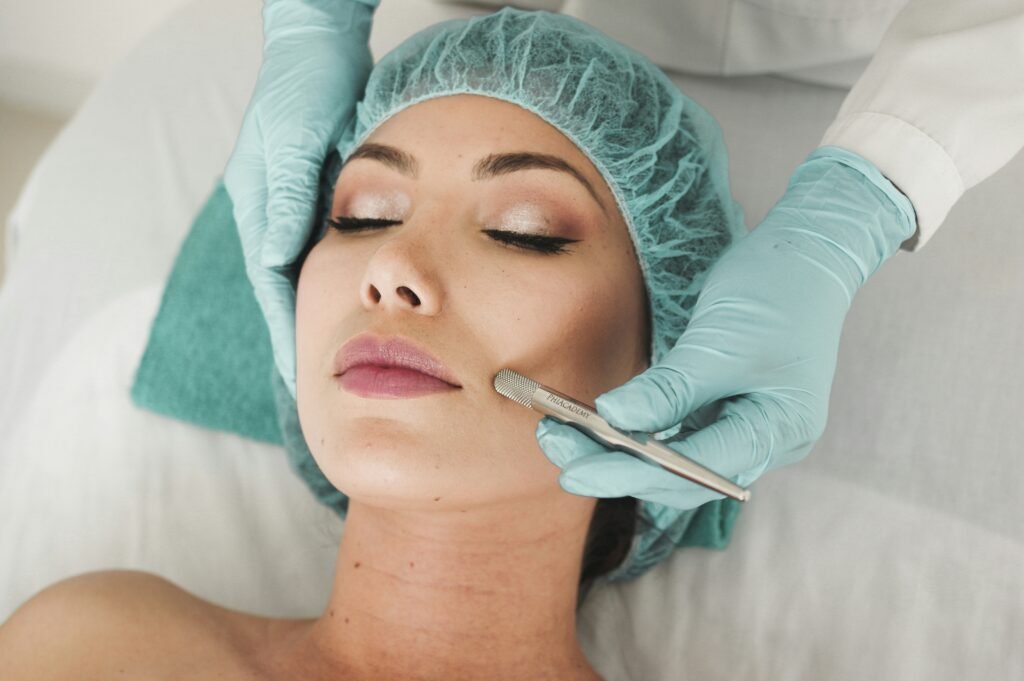
When people talk about glowing skin, they rarely mention the messy middle. That awkward phase where your face feels tight, looks red, and you start wondering, “Did I make the right choice?” Yeah, that part. Skin resurfacing recovery isn’t just a physical process, it’s emotional too. You’re watching your skin shed, heal, and slowly transform, and it can feel like a rollercoaster.
The truth is, skin resurfacing recovery is where all the magic actually happens. The treatment itself is just the beginning. What follows is your skin rebuilding, repairing, and revealing something fresher underneath. Kind of like renovating a house, you have to deal with the dust before you see the beauty.
In this section, we’re going to unpack everything. What skin resurfacing really is, why recovery matters more than you think, and what’s happening beneath the surface while you wait for results. We’ll also talk about the emotional side of things, because let’s be honest, nobody prepares you for that part.
What Is Skin Resurfacing and Why Recovery Matters
Skin resurfacing is basically a controlled way of damaging the top layer of your skin so it can heal better. Sounds scary, right? But it’s actually pretty genius. Treatments like lasers, chemical peels, or dermabrasion remove damaged skin cells and trigger your body to produce new ones.
Here’s the thing though. The treatment is only half the story. Skin resurfacing recovery is where your body does the heavy lifting. New collagen forms, fresh skin cells replace the old ones, and over time, your skin starts to look smoother and more even.
If you rush or ignore recovery, you’re basically sabotaging your own results. It’s like baking a cake and opening the oven every two minutes. You won’t get what you hoped for.
Recovery matters because your skin is vulnerable. It needs protection, hydration, and patience. Skip those, and you might end up with irritation, pigmentation issues, or even scarring. Not exactly the glow-up you signed up for.
Different Types of Skin Resurfacing Treatments
Not all skin resurfacing treatments are created equal. Some are gentle, others are intense, and your recovery depends a lot on which one you choose.
Laser resurfacing is probably the most well-known. It uses focused light to remove layers of skin. The recovery can range from a few days to a couple of weeks depending on the intensity.
Chemical peels use acids to exfoliate the skin. Light peels might leave you with a bit of redness, while deeper ones can cause noticeable peeling and downtime.
Then there’s dermabrasion, which physically sands down the skin. Sounds intense, and honestly, it kind of is. Recovery here can take longer, but the results can be dramatic.
Each method affects your skin differently, which means your skin resurfacing recovery experience won’t be exactly the same as someone else’s. That’s why it’s so important to understand what you’re signing up for before you even start.
Benefits of Feet Cream: Transform Dry, Cracked Feet into Soft, Healthy Skin
How Your Skin Heals After Resurfacing
Your skin is smarter than you think. The moment it senses damage, it jumps into repair mode. Blood flow increases, collagen production ramps up, and new skin cells start forming.
In the early stage of skin resurfacing recovery, you’ll notice redness and maybe some swelling. That’s just your body sending help to the area. Think of it like a construction crew showing up after a storm.
Next comes the peeling phase. This is where old, damaged skin sheds to make way for new cells. It can feel a bit uncomfortable, maybe even a little scary if you weren’t expecting it. But it’s completely normal.
Finally, your skin starts to settle. The redness fades, texture improves, and you begin to see that fresh, healthy glow. It doesn’t happen overnight though. Healing takes time, and every day brings small changes.
Factors That Affect Skin Resurfacing Recovery
Here’s something a lot of people don’t realize. Skin resurfacing recovery isn’t the same for everyone. Your experience depends on a bunch of factors.
Your skin type plays a big role. Sensitive skin might react more strongly, while resilient skin might bounce back faster.
The depth of the treatment matters too. A light peel is a walk in the park compared to a deep laser treatment.
Your aftercare routine can make or break your recovery. If you’re consistent with hydration, sun protection, and gentle care, your skin will thank you.
Lifestyle factors sneak in as well. Things like diet, sleep, and even stress levels can affect how quickly your skin heals. It’s all connected, whether we like it or not.
What to Expect Emotionally During Recovery
Nobody really talks about this, but skin resurfacing recovery can mess with your head a little. One day you’re excited, the next you’re staring in the mirror thinking, “Why does my skin look worse?”
That’s normal. Healing isn’t pretty. There are days when your skin looks red, flaky, or uneven. It’s easy to panic if you weren’t prepared for it.
Patience becomes your best friend here. Results don’t show up instantly. They build slowly, day by day. Trusting the process is hard, especially when you’re used to quick fixes.
But here’s the good part. When you finally start seeing that smoother, clearer skin, it feels worth it. Like, genuinely worth it. You realize that the uncomfortable phase was just a stepping stone to something better.
Skin Resurfacing Recovery Timeline
If there’s one thing people want to know right away, it’s this. “How long is this going to take?” Totally fair question. When you’re in the middle of skin resurfacing recovery, time feels like it moves differently. A single day can feel like a week, especially when your skin is peeling or sensitive.
The truth is, there’s no one-size-fits-all timeline. It depends on the type of treatment, your skin type, and how well you follow aftercare. But there are general stages most people go through, and knowing them can save you a lot of stress.
Think of it like a roadmap. You might hit a few bumps, maybe take a slight detour, but you’ll still get to your destination. And along the way, your skin is quietly transforming.
In this section, we’ll walk through each phase of skin resurfacing recovery so you know exactly what’s coming. No surprises, no panic, just clarity.
The First 24 Hours After Treatment
Right after your treatment, your skin is basically in shock. It’s red, sensitive, and might feel warm or tight. Some people describe it as a sunburn, and honestly, that’s not far off.
During this stage of skin resurfacing recovery, your main job is to be gentle. No harsh products, no touching your face unnecessarily. Just let your skin breathe and start its healing process.
You might notice slight swelling or tingling. That’s completely normal. Your body is already working behind the scenes to repair the treated area.
Hydration is key here. Both inside and out. Drinking water and applying a gentle moisturizer can make a huge difference in how your skin feels.
Days 2 to 5: The Critical Healing Phase
This is where things get real. Your skin might start to feel dry, tight, and you’ll likely see peeling begin. It can be tempting to pick at it, but don’t. Seriously, don’t.
During this phase of skin resurfacing recovery, your skin is shedding damaged layers. It’s part of the process, even if it looks a bit alarming.
Redness might still be present, and your skin can feel extra sensitive. This is not the time to experiment with new skincare products.
Stick to the basics. Gentle cleansing, moisturizing, and sun protection. Think of it as survival mode for your skin.
Week 1 to 2: Peeling and Renewal
By now, the worst of the peeling is usually over. Your skin starts to reveal a fresher layer underneath, but it’s still delicate.
You might notice uneven tone or slight redness lingering. That’s normal. Skin resurfacing recovery doesn’t wrap up overnight.
This is when people start to feel hopeful again. You can actually see progress, even if it’s subtle.
Keeping your routine simple is still important. Overloading your skin with products can slow things down.
Weeks 3 to 4: Skin Stabilization
At this stage, your skin begins to calm down. Redness fades, texture improves, and your complexion starts to look more even.
Skin resurfacing recovery is still happening beneath the surface though. Collagen production continues, which means your skin is still improving even if you can’t see it instantly.
You might feel tempted to go back to your old routine, but easing into it slowly is the smarter move.
Long-Term Recovery and Maintenance
Here’s the part many people overlook. Skin resurfacing recovery doesn’t fully end after a few weeks. Your skin keeps improving for months.
Collagen rebuilds slowly, and with proper care, your results can last a long time.
Maintenance becomes key. Protecting your skin from the sun, staying hydrated, and using the right products will help you hold onto that glow.
Think of it less like a finish line and more like a new beginning for your skin.
One Comment