Why Is Skincare So Confusing? Here’s How to Make It Simple
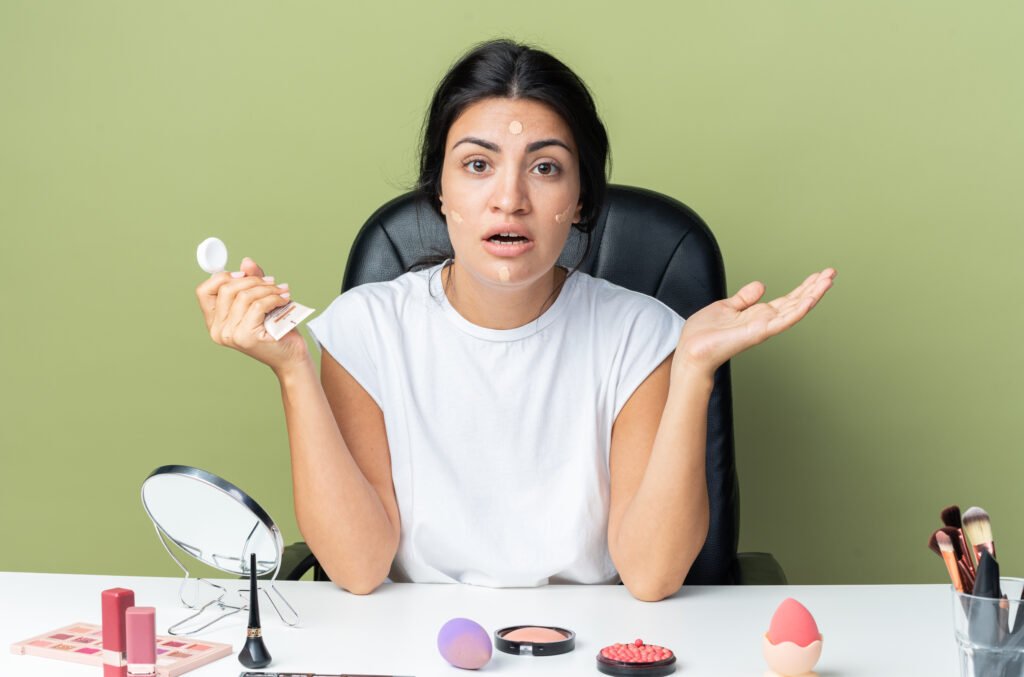
If you’ve ever stood in front of a shelf full of cleansers, serums, acids, creams, masks, oils, and sunscreens wondering if you need all of them… yeah, you are absolutely not alone. A lot of people quietly ask the same thing: why is skincare so confusing?
And honestly? That question makes total sense.
Skincare used to seem simple. Wash your face. Put on some cream. Done. Now it feels like you need a chemistry degree, a spreadsheet, and emotional support just to buy a moisturizer. One person says you need retinol. Another swears by snail mucin. Someone else says your cleanser is secretly ruining your life. It’s a mess.
The truth is, skincare got buried under trends, marketing, fear, and way too much advice. That’s why skincare so confusing has become such a relatable feeling for so many people. You’re not failing. The industry just got noisy.
This article is here to clear the fog.
We’re going to talk about why skincare feels so complicated, what your skin actually needs, how to stop wasting money, and how to build a routine that feels calm instead of chaotic. No fluff. No weird pressure. Just real help.
Why Skincare Feels So Overwhelming Today
If you’ve been feeling frustrated, confused, or even weirdly emotional about skincare, that’s more common than you think. It’s not just about products. It’s about the pressure attached to them. The pressure to “fix” your face. The pressure to look polished, clear, glowing, smooth, bright, poreless… all at once. That’s a lot.
Part of the reason skincare so confusing feels so real today is because skincare is no longer just self-care. It has become content, identity, and sometimes even status. People are showing off ten-step routines like it’s a morning sport. Brands are launching new “must-have” products every five minutes. And somehow, you’re expected to keep up while also figuring out what your skin actually wants.
That’s where the burnout starts.
The hard part is this: most skincare confusion doesn’t come from being careless. It comes from trying too hard. You want to do the right thing. You want to take care of your skin. You want results. But the more advice you hear, the less sure you feel. Suddenly, even washing your face feels like a decision with consequences.
So before we talk about routines and ingredients, we need to talk about the chaos itself. Because once you understand why skincare feels like such a headache, it gets a whole lot easier to simplify it.
Too Many Products, Too Many Promises
Walk into any beauty aisle or scroll online for five minutes and it hits you fast. Everything is “essential.” Everything is “game-changing.” Everything claims it will transform your skin in seven days or less.
That alone is enough to make skincare so confusing.
One cleanser says it will detox your pores. Another says it repairs your barrier. One serum promises glass skin. Another promises acne relief, anti-aging, hydration, brightness, texture repair, and emotional healing probably. At some point, it all starts sounding like noise.
And here’s the thing most people don’t realize right away: skincare brands are not just selling products. They’re selling hope. They’re selling the feeling that maybe this next bottle will finally be the answer. That’s powerful. And honestly, kind of exhausting.
When every product is framed like a miracle, regular people end up feeling like they’re always missing something. Like maybe your skin would finally behave if you just bought one more toner, one more serum, one more overnight mask. So you keep adding. And adding. And then your routine turns into a cluttered little chemistry lab.
The irony? More products often create more problems.
Too many steps can irritate your skin, confuse your progress, and make it impossible to know what’s actually helping. You might think your skin needs more, when really it needs less. A lot less.
That’s why one of the biggest reasons skincare feels so overwhelming is simple: the industry profits when you feel incomplete. Not broken, exactly. Just “almost there.” That feeling keeps people shopping.
And that’s how a basic routine turns into a stressful guessing game.
Social Media Made Skincare Feel Like Homework
Social media really did a number on skincare.
At first, it felt helpful. People shared routines, ingredient tips, before-and-after photos, honest reviews. Some of that can still be useful. But somewhere along the way, skincare stopped feeling personal and started feeling performative.
That’s one huge reason skincare so confusing has become such a common thought.
Social media made skincare look like there’s always a “better” routine. A more advanced product. A newer trend. A faster fix. One week it’s slugging. Next week it’s skin cycling. Then everyone’s talking about fermented essence or face icing or some serum you’ve never heard of but suddenly feel weird for not owning.
It creates this low-key panic. Like if you don’t keep up, your skin will suffer.
But your skin does not care what’s trending on TikTok. That’s the part people forget.
Your skin doesn’t need to be entertained. It needs consistency, support, and a little peace. Social media, on the other hand, rewards novelty. New tips get views. Dramatic routines get clicks. Quiet, boring, effective skincare? Not exactly viral.
So a lot of what goes viral is not necessarily what works best. It’s what looks exciting.
Everyone’s Skin Is Different, and That Changes Everything
This one right here is probably the biggest truth nobody can simplify enough: what works for one person can completely mess up someone else’s skin.
That alone is enough to make skincare so confusing.
Your friend might use a strong exfoliating acid and wake up glowing. You try it and suddenly your face feels like a crispy tomato. Someone online swears a certain moisturizer “saved” their skin. You buy it, use it for a week, and now you’re breaking out in places you didn’t even know could break out.
It’s frustrating. And it can make you feel like you’re doing something wrong.
But you’re not.
Skin is personal. Deeply personal. It reacts differently based on oil production, sensitivity, hormones, climate, age, stress, sleep, diet, and even how aggressively you rubbed your face with a towel this morning. Tiny things matter more than people think.
That’s why skincare advice often feels so inconsistent. Because it is inconsistent. Not because everyone is lying, but because everyone is speaking from their own skin experience. And your skin has its own personality. Sometimes dramatic. Sometimes chill. Sometimes both in the same week.
This is where people get trapped in comparison. You see someone’s clear skin and think, “Okay, I’ll just do exactly what they do.” Totally understandable. But skincare isn’t like copying someone’s sandwich order. It doesn’t transfer that neatly. Your skin needs observation, not imitation.
The Fear of “Doing It Wrong” Keeps People Stuck
This part doesn’t get talked about enough, but it should.
Sometimes the reason people stay confused about skincare isn’t because they’re lazy or uninterested. It’s because they’re scared. Scared of wasting money. Scared of making their skin worse. Scared of choosing the wrong thing and ending up with irritation, breakouts, redness, or regret.
That fear is real. And it’s a major reason skincare so confusing feels emotionally heavy for so many people.
When there’s too much advice and too many warnings, even simple choices can start feeling risky. You think, “Should I use this every day? Is this ingredient too harsh? What if I ruin my skin barrier? What if this causes purging? Wait… what even is purging?”
Suddenly you’re spiraling in a browser tab rabbit hole at 1:13 a.m.
The fear of doing skincare “wrong” can lead to one of two things. Either you try everything at once in a panic, or you avoid starting at all. Both are super common. Both come from the same place: wanting to get it right.
But skincare doesn’t need perfection to work.
You do not need the flawless routine. You need a gentle one. A realistic one. One you can actually stick to without turning your bathroom into a stress zone.
The truth is, your skin can recover from a lot. A wrong moisturizer is not the end of the world. One irritating serum does not mean you’ve failed your face forever. Most skincare mistakes are fixable. And most good routines are built through trial, patience, and a little grace.
That matters.
Because once you stop treating skincare like a high-stakes exam, it becomes much easier to learn what works for you.
Understanding Your Skin Before Buying Anything
This is where skincare starts getting a whole lot less chaotic.
A lot of people jump straight into products because that feels like action. You’ve got a breakout? Buy something. Skin feels dry? Buy something. Texture? Redness? Dullness? Yep, buy something. And while that instinct makes sense, it’s also one of the biggest reasons skincare so confusing becomes such a frustrating cycle.
Because if you don’t understand your skin first, every product feels like a random guess.
And random guesses get expensive.
The truth is, skincare gets easier the moment you stop asking, “What should I buy?” and start asking, “What is my skin actually trying to tell me?” That tiny shift changes everything. It moves you away from panic-shopping and toward paying attention.
Your skin has patterns. Needs. Moods. Sometimes it gets oily because it’s stripped. Sometimes it feels dry because it’s dehydrated, not because you need the heaviest cream on the planet. Sometimes breakouts are irritation, not acne. And if you don’t know the difference, it’s really easy to throw the wrong stuff at the problem.
That’s why understanding your skin is step one. Always.
Before ingredients. Before routines. Before “must-have” products. You need a clear read on what’s actually going on. Once you get that, skincare stops feeling like a mystery and starts feeling a lot more manageable.
Do you know When to use vitamin C serum, day or night, for brighter and healthier skin?
Skin Concerns vs Skin Type: They’re Not the Same
This is one of the most important skincare distinctions people miss, and honestly, it causes way more confusion than it should. Your skin type and your skin concerns are not the same thing.
Your skin type is your skin’s baseline. Oily, dry, combination, sensitive, normal. That part tells you how your skin behaves in general.
Your skin concerns are the specific things bothering you right now. Acne. Dark spots. Redness. Dullness. Fine lines. Dehydration. Texture. Those are concerns, not skin types.
Here’s why that matters: if you shop only for your concern and ignore your skin type, you can accidentally make things worse.
Let’s say you have dry, sensitive skin and you buy a harsh acne product because you’re breaking out. It might help the breakout a little, sure, but it can also leave your whole face irritated, peeling, and angry. Not ideal.
Or maybe you have oily skin and buy a super rich anti-aging cream because you’re worried about fine lines. Now your skin feels congested and greasy, and you’re confused all over again.
See the problem?
You need products that support both your skin type and your concerns. That’s the sweet spot. Not too stripping. Not too heavy. Not too aggressive. Just smart, balanced choices.
Why Your Skin Can Change With Time, Stress, and Weather

One of the sneakiest reasons skincare so confusing is because your skin does not stay the same forever. Not even close.
A routine that worked beautifully six months ago can suddenly feel all wrong. A moisturizer you loved in winter might feel way too heavy in summer. A cleanser that used to be fine can start stinging out of nowhere after a stressful month and three nights of bad sleep. Your skin changes. Sometimes gradually. Sometimes like it woke up and chose drama.
That’s normal.
A lot of people assume they’ve “figured out” their skin once and that should be enough. But skin is alive. It responds to your life in real time. Hormones, stress, heat, humidity, cold weather, travel, lack of sleep, even sitting under AC all day can change how your skin behaves.
This is why rigid routines often stop working.
Maybe your skin gets oilier during humid months but drier when the air turns cooler. Maybe stress triggers breakouts along your jaw. Maybe your skin becomes more reactive after overusing active ingredients. These shifts don’t mean your skin is broken. They mean it’s responsive.
And honestly, that’s a good thing. It means your skin is communicating.
The key is learning to notice patterns instead of forcing the same routine no matter what. Skincare works better when it adapts a little. Not constantly. Not every three days. But enough to meet your skin where it actually is.
That flexibility matters.
Because sometimes the reason your skincare feels “wrong” isn’t that you picked bad products. It’s that your skin has changed and your routine hasn’t caught up yet.
The Signs Your Skin Is Asking for Help
Your skin usually gives you clues before it fully freaks out. The problem is, most of us don’t notice those clues until things get loud.
And when you miss the signals, skincare so confusing can spiral fast because you start treating the wrong issue.
For example, tight skin after washing might seem like your cleanser is “working.” In reality, that tight feeling can mean your skin barrier is getting stripped. Skin that looks oily but feels weirdly dry underneath? That could be dehydration, not just excess oil. Random stinging when you apply products? That’s often irritation waving a red flag.
Your skin doesn’t always scream. Sometimes it just whispers first.
Flaking, redness, itching, increased sensitivity, tiny bumps, dullness, sudden rough texture, or breakouts that show up after trying too many new things are all signs your skin might be overwhelmed. And the fix is not always to add another treatment. Sometimes the fix is to back off.
That’s the hard part for people who genuinely want better skin. We assume more effort means more results. But skin often responds best when you stop pushing it so hard.
A good habit is to pause and ask simple questions when your skin feels off. Does it feel dry, irritated, congested, or inflamed? Did you recently add something new? Did you over-exfoliate? Has your sleep, stress, or environment changed?
That kind of check-in can save you from making things worse.
Because the better you get at reading your skin, the less confusing skincare becomes. Your face stops feeling like a mystery and starts feeling more like feedback.
Stop Copying Other People’s Routines
This might sting a little, but it needs to be said: someone else’s skincare routine is not your skincare destiny.
A huge reason skincare so confusing keeps people stuck is because we keep trying to borrow solutions that were never built for us in the first place.
You see someone online with glowing skin and a shelf full of products, and naturally you think, “Okay, maybe that’s the formula.” So you copy the cleanser, the serum, the moisturizer, the acid, the sleeping mask, the face oil, the mist, the eye cream, the SPF. The whole lineup.
And then… your skin gets irritated. Or greasy. Or dry. Or somehow all three.
That doesn’t mean their routine was bad. It just means it was theirs.
This is where skincare gets personal in a way social media doesn’t always show. People post routines, but they rarely post all the context. Their skin type. Their environment. Their hormones. Their history with acne. Their dermatologist. Their editing filters. Their lucky genetics. Tiny details, huge difference.
So when you compare your results to theirs, it’s not really a fair match.
A much better approach is to treat other people’s routines as inspiration, not instructions. You can learn from them, sure. But you still need to filter everything through your own skin.
That means asking: does this make sense for me?
If the answer is no, skip it. No guilt. No panic. No FOMO.
Because the goal is not to build the most impressive routine. The goal is to build one that your skin actually likes.