
Best Skin Care Tips for Dry Skin – A Complete Guide
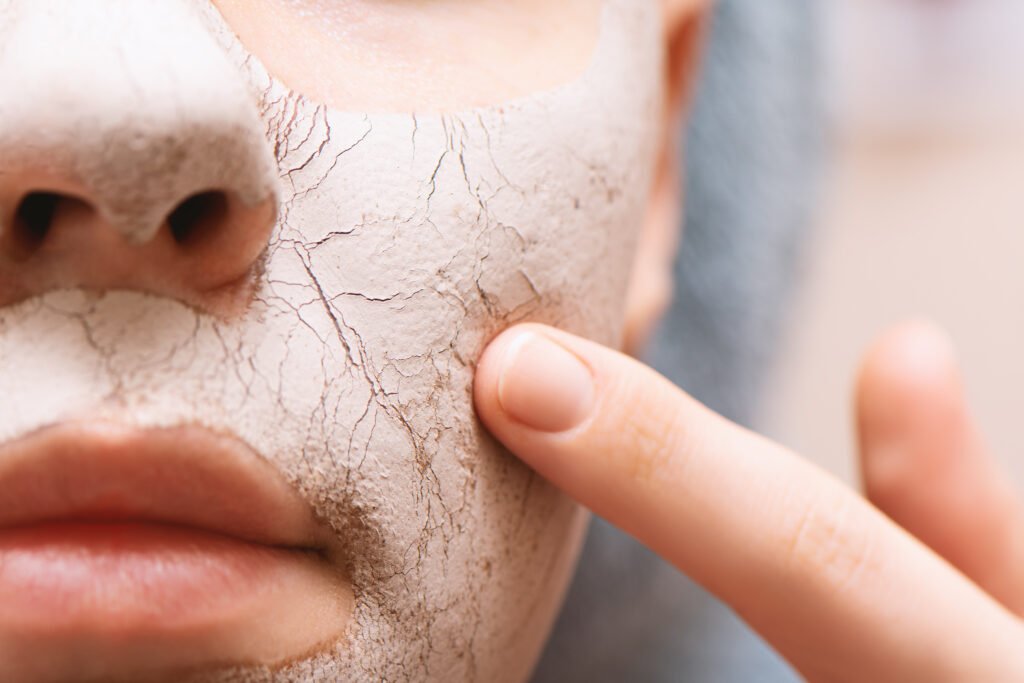
Dry skin can feel like carrying an invisible burden every day. You wash your face, and within minutes it feels tight. You apply makeup, and suddenly flakes appear where you never noticed them before. Sometimes your skin even looks dull and tired despite your best efforts. If this sounds familiar, you are far from alone. Millions of people experience dry skin, especially during colder months, in low-humidity environments, or when using products that strip away natural oils. Dermatologists explain that dry skin develops when the skin loses too much moisture and struggles to maintain its protective barrier.
The challenge with dry skin is that it affects more than appearance. It can influence comfort, confidence, and overall skin health. When your skin lacks moisture, tiny cracks can form in the skin barrier, making it easier for irritants to enter and moisture to escape. This creates a cycle of dryness, sensitivity, itching, and irritation. Understanding the root causes of dry skin is the first step toward creating a routine that truly works.
Skin Care Tips for Dry Skin, What Causes Dry Skin?
Dry skin rarely has a single cause. Environmental factors such as cold weather, indoor heating, air conditioning, and low humidity are common triggers. Long hot showers, harsh cleansers, over-exfoliation, and frequent washing can also strip the skin of its natural protective oils. In some cases, aging, genetics, medications, or skin conditions such as eczema contribute to persistent dryness.
Common Signs Your Skin Is Crying for Moisture
Dry skin often sends clear signals before it becomes severe. Tightness after cleansing, flaky patches, rough texture, dullness, redness, itching, and increased sensitivity are all warning signs. If left untreated, dryness can progress to cracking and discomfort. Paying attention to these signals allows you to adjust your skincare routine before the problem worsens.
Why Your Skin Barrier Matters
Think of your skin barrier as the roof of a house. When the roof is strong and intact, it protects everything underneath from rain, wind, and outside damage. When it develops cracks, water leaks out and external threats find their way in. Your skin functions in a similar way. The skin barrier is responsible for retaining moisture and defending against environmental stressors.
Many people focus exclusively on hydration without realizing that moisture retention is equally important. Recent expert discussions highlight that persistent dryness is often linked to a damaged skin barrier rather than a simple lack of hydration. Barrier-supporting ingredients such as ceramides, fatty acids, and cholesterol play a vital role in keeping skin healthy and resilient.
Your Skin After a Chemical Peel: Essential Recovery Tips
The Connection Between Hydration and Skin Health
Hydration and barrier repair work hand in hand. Hydrating ingredients attract water into the skin, while barrier-repair ingredients help seal that moisture in place. When both elements are present, skin appears plumper, smoother, and healthier. This combination can transform dry, uncomfortable skin into a complexion that feels balanced and comfortable throughout the day.
Building the Perfect Dry Skin Routine
A successful skincare routine for dry skin does not need to be complicated. In fact, simplicity often produces the best results. The goal is to cleanse gently, add hydration, lock in moisture, and protect the skin barrier.
Step 1 – Gentle Cleansing
Many people unknowingly damage their skin by using cleansers that leave the face feeling squeaky clean. That tight feeling after washing is actually a sign that your skin has lost valuable moisture. Dermatologists recommend using gentle, fragrance-free cleansers designed to cleanse without stripping natural oils.
A good cleanser should leave your skin feeling refreshed but comfortable. If your face feels dry immediately after washing, it may be time to switch products.
Step 2 – Hydrating Toners and Essences
Hydrating toners and essences can provide an additional layer of moisture. Unlike traditional alcohol-based toners, modern hydrating formulas focus on soothing and replenishing the skin. Ingredients like glycerin, aloe vera, and hyaluronic acid help attract moisture and prepare the skin for the products that follow.
Step 3 – Moisture-Boosting Serums
Serums can be game changers for dry skin. Products containing hyaluronic acid, peptides, niacinamide, and vitamin E help increase hydration levels while supporting overall skin health. These lightweight formulas deliver concentrated ingredients that target dehydration and improve skin texture.
Step 4 – Choosing the Right Moisturizer
Moisturizer is the cornerstone of every dry skin routine. Dermatologists consistently recommend creams and ointments because they retain moisture more effectively than lightweight lotions. Applying moisturizer while skin is still slightly damp helps trap water and maximize hydration.
Best Ingredients for Dry Skin
| Ingredient | Benefit |
| Ceramides | Strengthen the skin barrier |
| Hyaluronic Acid | Attracts moisture to the skin |
| Glycerin | Draws water into the skin |
| Shea Butter | Softens and nourishes |
| Petrolatum | Prevents moisture loss |
| Jojoba Oil | Supports skin hydration |
| Lanolin | Creates a protective barrier |
These ingredients are frequently recommended by dermatologists for managing dryness and improving skin comfort.
Step 5 – Never Skip Sunscreen
Many people associate sunscreen with summer vacations, but UV exposure occurs year-round. Sun damage can weaken the skin barrier and worsen dryness. Dermatologists recommend broad-spectrum SPF 30 or higher as a daily essential, even on cloudy days.
Skin Barrier Repair Guide: Transform Your Skin Naturally
Morning Skin Care Routine for Dry Skin
A morning routine should focus on hydration and protection. Start with a gentle cleanser or simply rinse with lukewarm water if your skin feels comfortable. Follow with a hydrating serum, moisturizer, and sunscreen. This combination helps your skin stay protected from environmental stressors throughout the day.
Consistency matters more than complexity. A simple routine followed daily often delivers better results than an elaborate routine used inconsistently. When your skin receives regular hydration and protection, it becomes more resilient and less prone to irritation.
Nighttime Skin Care Routine for Dry Skin
Nighttime is when your skin naturally repairs itself. This makes evening skincare particularly important for people with dry skin. After cleansing gently, apply hydrating products and follow with a rich moisturizer. Some individuals benefit from facial oils or overnight masks that provide additional nourishment.
Think of your nighttime routine as giving your skin a long drink of water before bed. While you sleep, the skin works to restore itself, making nighttime hydration especially valuable. Waking up with softer, smoother skin often begins with a thoughtful evening routine.
Lifestyle Habits That Improve Dry Skin
Skincare products are only part of the solution. Daily habits can significantly influence skin hydration and overall health.
Nutrition and Hydration
Your skin reflects what happens inside your body. Drinking adequate water supports overall hydration, while foods rich in healthy fats help maintain the skin barrier. Salmon, avocados, nuts, seeds, and olive oil provide nutrients that contribute to healthier skin.
A balanced diet rich in antioxidants, vitamins, and essential fatty acids supports skin repair and resilience. While no food can magically eliminate dryness, good nutrition creates a strong foundation for healthy skin.
The Importance of Humidity
Dry indoor air can be surprisingly damaging to the skin. Dermatologists often recommend using a humidifier to add moisture back into the environment, particularly during winter months when indoor heating is common. Even the best moisturizer may struggle to keep skin comfortable if the surrounding air is extremely dry.
Skin Care Mistakes That Make Dry Skin Worse
Sometimes the biggest obstacle to healthy skin is not what you are missing but what you are doing wrong.
Over-Exfoliation
Exfoliation can improve texture and brightness, but too much exfoliation weakens the skin barrier. Dry skin generally requires a gentler approach. Exfoliating once or twice per week with mild products is often sufficient. Excessive exfoliation can increase redness, irritation, and flaking.
Using Harsh Products
Products containing alcohol, strong fragrances, or aggressive active ingredients may worsen dryness. Dermatologists specifically warn that fragrance and certain irritating ingredients can trigger additional discomfort in already dry skin.
When choosing skincare products, prioritize formulas designed for sensitive or dry skin. Gentle products support healing instead of creating new problems.
Seasonal Dry Skin Care Tips
Your skin’s needs change throughout the year. Adjusting your routine with the seasons can make a significant difference.
Winter Skin Care
Winter is often the toughest season for dry skin. Cold outdoor air combined with indoor heating creates an environment that rapidly removes moisture from the skin. Rich creams, humidifiers, and shorter showers become especially important during this time. Many people find that they need heavier moisturizers during winter than during warmer months.
Summer Skin Care
Summer may seem easier for dry skin, but sun exposure, air conditioning, and swimming can still cause dehydration. Lightweight hydrating products, sunscreen, and regular moisturizing remain essential. Even when the weather feels humid, maintaining your routine helps prevent unexpected dryness.
When to See a Dermatologist
Most cases of dry skin improve with proper skincare and lifestyle adjustments. If your skin remains extremely dry despite consistent care, or if you experience severe itching, cracking, bleeding, or widespread irritation, professional evaluation may be necessary. Persistent dryness can sometimes indicate underlying conditions such as eczema, psoriasis, or other medical concerns. Dermatologists can identify the cause and recommend targeted treatments.
As dermatologist-reviewed guidance from the American Academy of Dermatology explains, self-care often improves dry skin within a couple of weeks, but persistent symptoms deserve professional attention.
Dry skin can feel frustrating, uncomfortable, and sometimes endless. The good news is that healthy, hydrated skin is achievable with the right approach. Focus on gentle cleansing, barrier-supporting ingredients, rich moisturizers, daily sun protection, and healthy lifestyle habits. Remember that skincare is not about perfection. It is about consistency. Small daily actions create powerful long-term results.
When you treat your skin with patience and care, it responds. The flakes begin to fade, the tightness softens, and the mirror starts reflecting a healthier, more comfortable version of your skin. Every layer of hydration is a step toward stronger, happier skin.
FAQs
1. What is the best moisturizer for dry skin?
Look for moisturizers containing ceramides, hyaluronic acid, glycerin, shea butter, or petrolatum. Creams and ointments are generally more effective than lotions for very dry skin.
2. How often should I moisturize dry skin?
Most dermatologists recommend moisturizing at least twice daily and immediately after bathing while the skin is still slightly damp.
3. Are hot showers bad for dry skin?
Yes. Long hot showers can strip natural oils from the skin and worsen dryness. Short showers with lukewarm water are a better option.
4. Can drinking more water cure dry skin?
Water supports overall hydration, but dry skin usually requires a combination of proper skincare, barrier repair, and healthy lifestyle habits for noticeable improvement.
5. Which ingredients should people with dry skin avoid?
People with dry skin should be cautious with products containing alcohol, strong fragrances, and harsh exfoliating acids that can further weaken the skin barrier.
One Comment