Your Skin After a Chemical Peel: Essential Recovery Tips
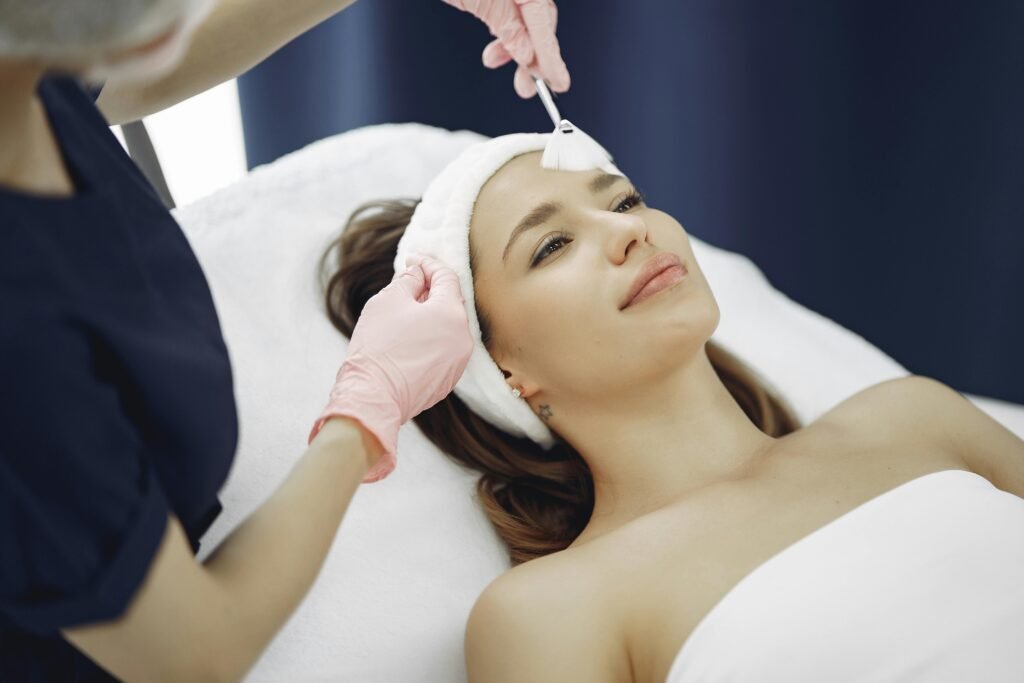
Right after a chemical peel, your skin is not just “a little sensitive.” It’s basically in recovery mode, like it just ran a marathon and now needs serious care. If you’ve never gone through this before, it can feel a bit alarming. The redness, the tightness, maybe even that strange shiny look. Totally normal, but still a little unsettling.
This is where skincare after chemical peel becomes more than just routine. It becomes your safety net. Your skin is shedding damaged layers and revealing fresh, new cells underneath. Sounds exciting, right? It is. But here’s the catch. That new skin is delicate. Think of it like a newborn’s skin. Soft, vulnerable, and easily irritated.
Over the next few days, your skin will go through a transformation. It might flake, peel, or even feel itchy. You may be tempted to “help it along.” Don’t. That’s one of the biggest mistakes people make.
In this section, we’re going to walk through exactly what’s happening beneath the surface. Not in a complicated, textbook way. Just real talk. You’ll understand why your skin behaves the way it does and how proper skincare after chemical peel can make all the difference between glowing results and regret.
Your Skin After a Chemical Peel
The moment your chemical peel is done, your skin kicks into repair mode. It’s like flipping a switch. The top layer of your skin has been intentionally damaged in a controlled way. Sounds scary, but that’s the whole point.
Your body responds fast. Blood flow increases, which is why you see redness. Your skin may feel warm, almost like a mild sunburn. That’s your body sending nutrients and oxygen to heal the area.
At this stage, skincare after chemical peel is all about protection. Your skin barrier is temporarily weakened. That means it can’t defend itself the way it normally does. Even simple things like touching your face or using the wrong cleanser can cause irritation.
You might notice your skin feels tight. That’s because moisture is escaping more easily. The outer layer isn’t doing its job properly right now. So hydration becomes your best friend.
Some people expect instant glow right away. Not quite. What you’re seeing now is just the beginning of the process. The real magic happens after your skin sheds the damaged layers.
Why Your Skin Feels Tight, Red, and Sensitive
Let’s talk about that uncomfortable feeling. The tightness, the redness, maybe even a slight sting when you touch your face. It’s not random. There’s a reason behind every bit of it.
When you undergo a chemical peel, the solution breaks down the bonds between dead skin cells. This helps remove them faster. But in doing so, your skin barrier gets disrupted.
That barrier is like a shield. It keeps moisture in and irritants out. Right now, it’s a little compromised. So your skin loses water more quickly. That’s where the tight feeling comes from.
Redness is simply inflammation. Your body is reacting to what it sees as a minor injury. It sends signals to heal and protect the area. It’s actually a good sign, even if it doesn’t look pretty.
This is why skincare after chemical peel needs to be gentle. No harsh products. No experimenting. Your skin is in a fragile state, and it needs calm, soothing care.
Skin Barrier Repair Guide: Transform Your Skin Naturally
The Science Behind Skin Peeling and Renewal
Peeling might look dramatic, but it’s actually a beautiful process. Underneath all that flaking skin, something incredible is happening.
Your body is speeding up cell turnover. Normally, skin cells take about a month to renew. After a chemical peel, this process accelerates. Old, damaged cells are pushed out, making way for fresh ones.
Think of it like renovating a house. You have to remove the worn-out parts before you can reveal something new and better. That’s exactly what your skin is doing.
During this phase, skincare after chemical peel plays a huge role. If you support your skin properly, the results can be amazing. Smoother texture, brighter tone, fewer blemishes.
But if you interfere with the process, like picking at peeling skin, you risk scarring or uneven results. It’s tempting, I know. But patience really pays off here.
Different Types of Chemical Peels and Recovery Time
Not all chemical peels are created equal. Some are light and barely noticeable. Others go deeper and require more downtime.
A mild peel might leave you with slight redness and minimal peeling. You could be back to normal in a couple of days. Easy.
Medium peels? That’s where you’ll see more visible peeling and a longer recovery. Maybe about a week.
Deep peels are a whole different story. These require serious aftercare and a longer healing period. We’re talking weeks, not days.
So your skincare after chemical peel depends a lot on the type of peel you had. The deeper the peel, the more cautious you need to be.
Common Myths About Post-Peel Skin
There’s a lot of misinformation out there, and honestly, it can mess things up if you follow the wrong advice.
Some people think peeling faster means better results. Not true. Your skin has its own timeline. You can’t rush it.
Others believe you should exfoliate to “help” the peeling. That’s a big no. Your skin is already exfoliating itself.
Another myth? That redness means something went wrong. In most cases, it’s completely normal.
Understanding these myths can save your skin. Literally. Good skincare after chemical peel is about patience, simplicity, and listening to your skin.
The First 24–72 Hours: Critical Care Phase
This is it. The make-or-break window. The first couple of days after your peel can shape your entire result. Sounds dramatic, but it’s true.
Your skin is at its most vulnerable during this time. The barrier is compromised, moisture is escaping, and irritation can sneak in easily. If you treat your skin right now, you’re setting yourself up for that smooth, radiant glow. If not, well… things can go sideways pretty quickly.
Skincare after chemical peel during this phase is all about being gentle. Like, really gentle. No experimenting, no trying new products, no shortcuts.
You’ll need to rethink your routine a bit. What worked before your peel might be too harsh now. Even your favorite cleanser could suddenly feel too strong.
In the next few sections, we’ll break down exactly what you should and shouldn’t do during these first 24 to 72 hours. Think of it as your survival guide for fresh, healing skin.
Why the First Few Days Matter the Most
Your skin is basically in open-repair mode right now. It’s working overtime to heal and regenerate. Every decision you make in these early days matters more than you think.
This is when your skin is most prone to irritation. Even small mistakes can lead to redness, breakouts, or uneven healing.
Good skincare after chemical peel during this stage can speed up recovery and improve your final results. It’s not just about avoiding damage. It’s about helping your skin heal better.
Cleansing Your Skin Without Causing Damage
Washing your face sounds simple, right? Not right now.
Your usual cleanser might be too harsh. You need something mild, fragrance-free, and soothing. Lukewarm water only. Hot water is a bad idea.
Don’t rub your skin. Just gently pat and rinse. Treat your face like it’s fragile, because it is.
Moisturizing: Your Skin’s Lifeline
If there’s one thing you don’t skip, it’s moisturizer. Seriously.
Your skin is losing moisture faster than usual. A good moisturizer helps restore balance and supports healing.
Go for something simple. No strong actives, no fragrance. Just hydration and barrier repair.
What Products You Must Avoid Completely
This is not the time for acids, retinoids, or exfoliants. Just don’t.
Anything harsh can irritate your already sensitive skin. Even products you normally love can cause problems now.
Keep it simple. Cleanser, moisturizer, sunscreen. That’s it.
How to Sleep and Protect Your Skin
Even how you sleep matters. Try to sleep on your back if you can. Clean pillowcases help too.
Avoid touching your face. It’s harder than it sounds, but it makes a difference.
Your skin is healing. Give it the space to do its thing.
Essential Skincare Routine After Chemical Peel
Once you move past those first fragile days, things start to feel a little more manageable. The redness softens, the tightness eases up, and you begin to notice subtle changes. Maybe your skin looks brighter in certain light. Maybe it feels smoother when you run your fingers across it. That’s your reward slowly showing up.
But here’s the thing. This is not the time to relax completely. Skincare after chemical peel still needs your full attention. Your skin is healing, yes, but it’s not fully back to normal yet. Think of it like recovering from a workout. You’re no longer sore, but you’re not ready to sprint either.
This stage is all about building a routine that supports healing while gently guiding your skin back to strength. You don’t need a complicated 10-step routine. In fact, the simpler, the better. But every step should have a purpose.
We’re going to walk through what your mornings and nights should look like, why sunscreen becomes your best friend, and when it’s finally safe to bring back those stronger ingredients you’ve been missing. Let’s ease into it together.
Building a Gentle Morning Routine
Mornings after a chemical peel feel different. Your skin is softer, yes, but also a bit unpredictable. Some days it looks calm, other days a little flaky. That’s normal.
Start with a gentle cleanse. Not something that foams aggressively or leaves your skin squeaky clean. That “squeaky” feeling? It’s actually your skin crying for help. You want something that cleans without stripping.
After cleansing, go straight into hydration. A lightweight, soothing moisturizer works best here. Your skin still needs that extra support to hold onto moisture.
Now comes the most important step. Sunscreen. No skipping, no excuses. Your skin is more sensitive to sunlight right now, and even a short exposure can undo your progress. It’s frustrating, I know. But think of sunscreen as your shield. Without it, all your skincare after chemical peel efforts can go to waste.
Keep your routine simple. Cleanse, moisturize, protect. That’s your morning rhythm for now.
Nighttime Skincare for Faster Healing
Nighttime is when your skin does most of its repair work. It’s like your body goes into quiet mode and focuses on healing everything that needs attention.
This is your chance to support that process. Start with a gentle cleanse again. If you wore sunscreen or went outside, make sure your skin is clean but not over-washed.
After that, focus on nourishment. A slightly richer moisturizer can help at night. Your skin tends to lose more moisture while you sleep, so giving it something a bit more comforting can make a difference.
You don’t need fancy serums right now. Honestly, your skin isn’t asking for them. It’s asking for calm, hydration, and consistency.
Skincare after chemical peel at night should feel soothing. Almost like you’re telling your skin, “You did enough today, just rest now.”
The Role of Sunscreen in Recovery
Let’s talk about sunscreen again, because it really deserves the spotlight.
After a chemical peel, your new skin is incredibly delicate. It hasn’t built up its natural defenses yet. Sun exposure at this stage can lead to dark spots, uneven tone, or irritation. And that kind of damage can stick around longer than you’d like.
Using sunscreen daily isn’t just a suggestion. It’s non-negotiable. Even if you’re indoors most of the day, light still finds its way in through windows.
Go for a broad-spectrum sunscreen with good protection. Apply it generously, not just a tiny dab. And if you’re outside, reapply when needed.
It might feel like a hassle at first, but it quickly becomes second nature. And honestly, it’s one of the best habits you can build for your skin long term.
Hydration from Inside and Outside
Your skin isn’t just affected by what you put on it. What’s happening inside your body matters too.
After a chemical peel, your skin is thirsty. Not just for moisturizer, but for overall hydration. Drinking enough water helps your body support the healing process. It’s not magic, but it definitely helps.
On the outside, layering hydration is key. A good moisturizer creates a barrier that keeps water in and irritants out. That’s exactly what your skin needs right now.
Think of hydration as the foundation of your skincare after chemical peel routine. Without it, everything else struggles to work properly.
When to Reintroduce Active Ingredients
This is the part everyone gets impatient about. When can you go back to your usual products? The serums, the treatments, the actives that promise glowing skin.
Short answer? Not yet.
Your skin needs time to rebuild its barrier. Jumping back into strong ingredients too soon can cause irritation, breakouts, or even damage your results.
Usually, after about a week or two, depending on your peel, you can slowly start reintroducing gentle actives. And I mean slowly. One product at a time. Watch how your skin reacts.
Skincare after chemical peel is a game of patience. The more you respect your skin’s timing, the better your results will be.
What to Expect During the Peeling Process
Alright, let’s get real for a moment. The peeling phase? It’s not exactly glamorous. This is where things can feel a bit awkward, maybe even frustrating.
You might wake up one morning and notice small flakes around your mouth. Then suddenly, it spreads. Around your nose, your cheeks, maybe even your forehead. It can look uneven, patchy, and honestly, a little strange.
But here’s the truth. This is where the magic happens.
Your skin is shedding its old, damaged layers. Every flake you see is part of that renewal process. Underneath, fresh skin is waiting to show up. Healthier, smoother, brighter.
The key during this phase is not to panic. And definitely not to interfere. Your role here is simple. Support your skin, don’t fight it.
Let’s walk through what each stage might feel like and how to handle it without losing your mind.
Day-by-Day Healing Timeline
The timeline isn’t exactly the same for everyone, but there’s a general pattern most people follow.
Day one or two, your skin feels tight and looks a bit red. Nothing too dramatic yet. Then around day three, you might notice the first signs of peeling.
By day four or five, the peeling becomes more visible. This is when your skin might look dry and flaky. It can be tempting to hide indoors, and honestly, that’s okay.
By day six or seven, things start calming down. The peeling slows, and your new skin begins to show.
Throughout this time, consistent skincare after chemical peel makes a huge difference. The better you care for your skin, the smoother this process feels.
How to Handle Flaking and Peeling Skin
Flaking can feel annoying. It might mess with your makeup, your confidence, even your mood a little.
But resist the urge to fix it by force. No scrubbing, no peeling it off with your fingers. Let your skin do its thing.
What you can do is keep your skin moisturized. This softens the flakes and makes them less noticeable. Gentle cleansing also helps remove loose skin naturally.
Patience is your best tool here. It’s not the most exciting advice, but it works.
Why You Should Never Pick or Peel Skin
I get it. When you see a piece of peeling skin, your fingers almost move on their own. It’s so tempting.
But pulling that skin off too early can cause more harm than you think. You might remove skin that isn’t ready yet, leading to irritation or even small wounds.
In some cases, it can leave marks or uneven texture. And that kind of damage takes longer to fix.
Skincare after chemical peel is about letting your skin lead the process. You’re there to support, not control.
Managing Itchiness and Discomfort
Sometimes your skin might itch a little during the peeling phase. It’s not unbearable, but definitely noticeable.
This usually happens because your skin is dry and healing at the same time. Keeping your skin hydrated helps reduce that feeling.
Avoid scratching. Even light scratching can irritate your skin more than you expect.
If the discomfort feels stronger than usual, it’s always okay to check with a professional. Better safe than sorry.
Signs Your Skin Is Healing Properly
Not everything during this process feels positive, so it helps to know what good signs look like.
Gradual reduction in redness is one. Smoother texture is another. Your skin may start to look brighter, more even.
These little changes are your confirmation that your skincare after chemical peel routine is working.
It’s a slow process, but when you finally see that healthy glow, it feels completely worth it.
2 Comments